
The Ultimate Guide to Fish Tank Maintenance: Keep Your Aquatic World Thrive
Why is Fish Tank Maintenance Important?
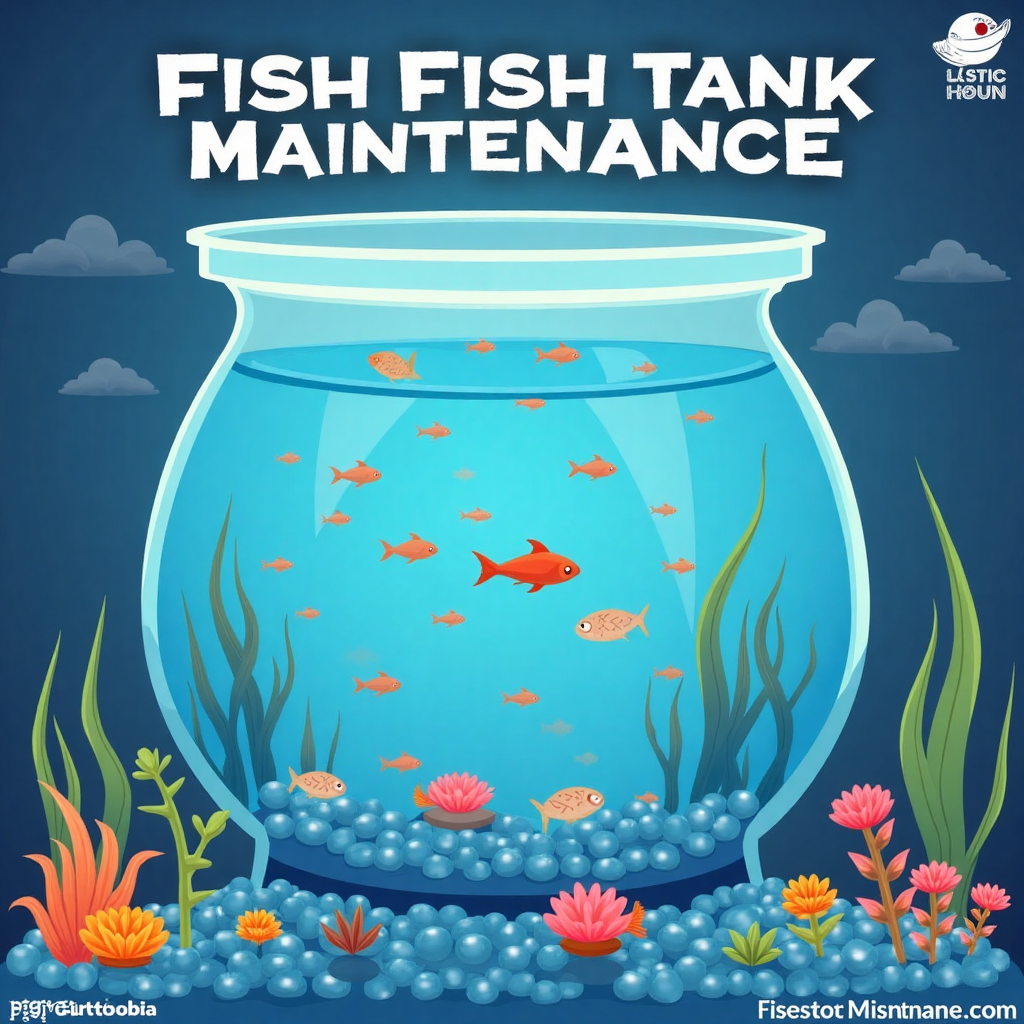
Maintaining a healthy fish tank is essential for the survival and happiness of your aquatic pets. Just like any other ecosystem, fish tanks require regular attention to ensure water quality, water volume, and the well-being of the fish, plants, and decorations. Regular maintenance helps prevent diseases, parasites, and other issues that can lead to a disrupted ecosystem. By understanding the basics of fish tank maintenance, you can create a thriving environment for your fish and other aquatic creatures.
Key Aspects of Fish Tank Maintenance
- Regular water testing is crucial to monitor parameters such as pH, ammonia, nitrite, and nitrate levels. These parameters ensure a balanced environment for your fish.
- Changing water is a fundamental part of maintenance. Rotating fish and changing water every few days helps prevent the buildup of waste and diseases.
- Feeding your fish and other inhabitants properly is essential. A balanced diet keeps your pets healthy and happy.
Steps to Maintain a Healthy Fish Tank
Proper fish tank maintenance starts with understanding your setup. Begin by assessing the size of your tank, the number of fish, and the types of plants and decorations you have. Knowing these factors will help you determine the appropriate water volume, lighting, and temperature settings.
Water Quality Monitoring
Water quality is the foundation of fish tank maintenance. Regularly test your water using a reliable test kit to check pH, ammonia, nitrite, and nitrate levels. Aim for a target range of 6.8-8.5 for pH, 0-10 for ammonia, 5-35 for nitrite, and 6-45 for nitrate. Over time, your water will naturally balance these levels, but maintaining them ensures the health of your fish and other inhabitants.
Water Volume and Surface Area
Maintaining the right water volume is crucial for a healthy fish tank. A general guideline is 1 gallon (3.78 liters) of water per inch of fish height. Ensure your tank has enough surface area for your fish to thrive, as this promotes healthy behaviors like feeding and breeding.
Advanced Tips for Effective Maintenance
For those with multiple tanks or more complex setups, consider dividing responsibilities. Rotate water between tanks, and use a mesh skid to move water and decorations safely. Properly rotating your fish ensures they have access to fresh water and oxygen.
Feeding Your Fish
Feeding is a critical part of fish tank maintenance. Provide a balanced diet with a mix of plant-based and organ meat foods. Ensure your fish have enough food to meet their energy needs, as undernutrition can lead to poor health and disease.
Maintaining Decorations and Plants
Your decorations and plants add beauty and interest to your tank, but they also require attention. Change water around plants to ensure they receive fresh nutrients, and remove any dead or damaged decorations regularly. Proper maintenance of plants also helps maintain water quality.
When to Seek Help
If you notice signs of poor water quality, such as discoloration, floating debris, or unusual odors, it’s time to seek professional help. Regular maintenance can prevent these issues, so don’t hesitate to consult a tank care professional if needed.
Conclusion
Fish tank maintenance is a skill that can be mastered with regular practice and attention to detail. By understanding the key aspects of water quality, water volume, and proper feeding, you can create a thriving environment for your fish and other aquatic creatures. Taking the time to maintain your tank will ensure the long-term success of your aquatic ecosystem.