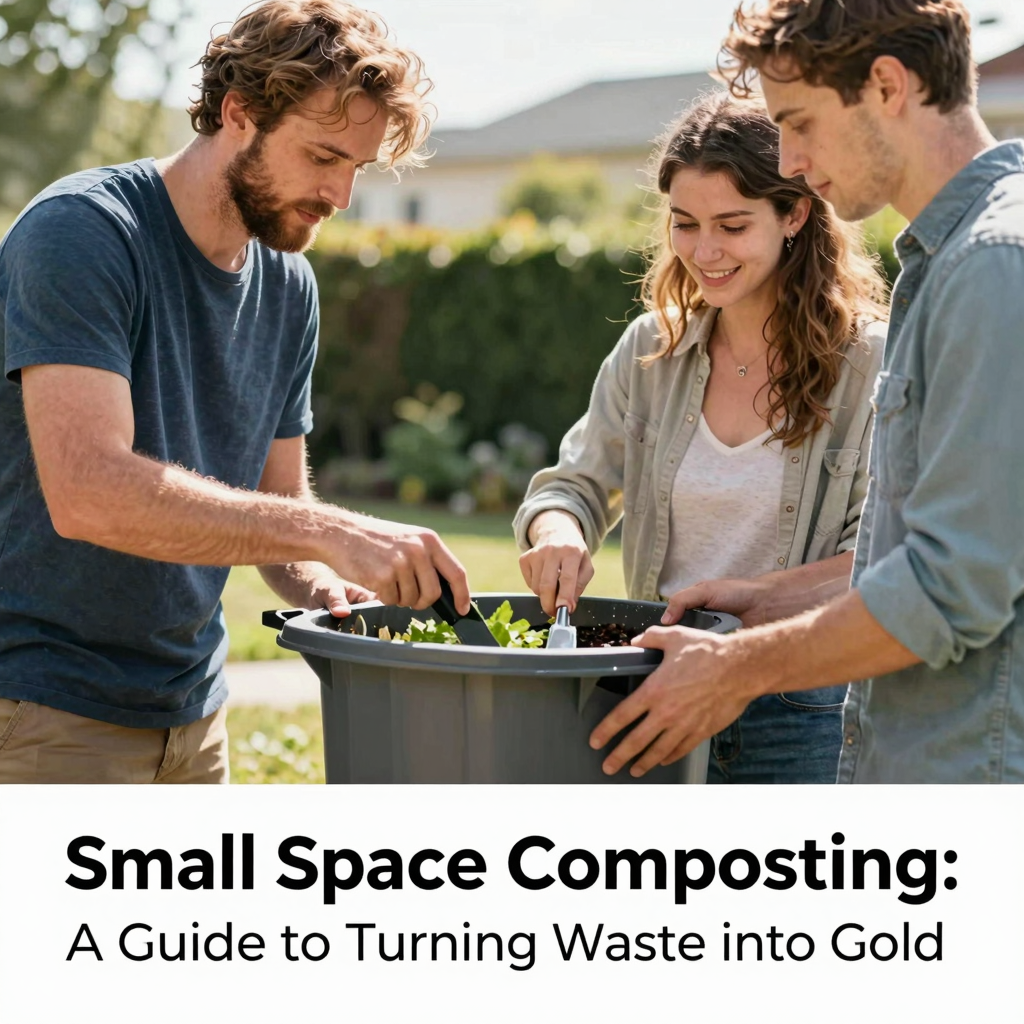

Small Space Composting: A Guide to Turning Waste into Gold
Composting is a fantastic way to recycle organic waste, reduce landfill contributions, and create nutrient-rich soil for your garden or houseplants. But what if you live in a small apartment or have limited outdoor space? Don’t let that stop you! Small space composting is not only possible but also incredibly rewarding. Whether you’re a seasoned gardener or just starting out, this guide will help you master the art of composting in confined areas. Let’s dive into the world of small space composting and discover how you can turn your kitchen scraps and yard waste into “black gold” for your plants.
Why Small Space Composting Matters
Small space composting is becoming increasingly popular as more people move into urban areas and live in compact homes. With limited outdoor space, traditional composting methods like large piles or bins may not be feasible. However, composting doesn’t have to take up a lot of room to be effective. In fact, it can be done indoors or in tiny outdoor areas with the right techniques and tools. By composting in small spaces, you can:
- Reduce your household waste
- Create organic fertilizer for plants
- Lower your carbon footprint
- Save money on store-bought compost
- Improve the health of your garden or indoor plants
Composting also helps you connect with nature, even if you’re in the heart of the city. It’s a simple yet powerful way to contribute to a greener environment and support sustainable living. Plus, the satisfaction of knowing you’re transforming something as simple as banana peels and coffee grounds into a valuable resource is unbeatable.
Methods for Small Space Composting
1. Vermicomposting: The Worm-Based Solution
Vermicomposting, or worm composting, is one of the most effective methods for small spaces. It involves using red wiggler worms to break down organic material into nutrient-dense compost. This method is perfect for apartments, balconies, or even under-the-sink setups. Here’s how it works:
- Start with a worm bin: You can purchase a pre-made vermicomposting bin or create one yourself using a plastic container with drainage holes and a lid.
- Add bedding: shredded newspaper, cardboard, or coconut coir work well as bedding for the worms.
- Feed your worms: Fruits, vegetables, coffee grounds, tea bags, and eggshells are all great food sources for your worms. Avoid dairy, meat, and oily foods.
- Harvest the compost: Every few months, you’ll notice the bedding turning into dark, rich compost. You can then separate the worms from the compost and use it in your garden.
One of the biggest advantages of vermicomposting is that it doesn’t require much space and can be done indoors without any unpleasant odors. Plus, the worms work quickly, producing compost in a matter of weeks rather than months. If you’re looking for a low-maintenance, space-efficient composting method, vermicomposting is a top choice.
2. Bokashi Composting: For Those with Minimal Space
Bokashi composting is another excellent option for small spaces. This method uses anaerobic fermentation, which means it doesn’t require oxygen. It’s ideal for people who want to compost indoors but don’t have the space for a worm bin. Here’s how it works:
- Use a Bokashi bin: These bins are typically small and can fit neatly under the sink or in a corner of your kitchen.
- Add layers of organic waste: Fruits, vegetables, meat, dairy, and even cooked food can be composted using this method.
- Apply Bokashi bran: This special bran contains microorganisms that break down the waste quickly and efficiently.
- Allow it to ferment: The bin is sealed, and the waste ferments for about two weeks before it’s ready to be buried in soil or added to a larger compost pile.
Bokashi composting is unique because it can handle a wider variety of food scraps, including meat and dairy, which are usually off-limits in traditional composting methods. Plus, it doesn’t produce any unpleasant smells, making it perfect for small apartments. The resulting compost is rich in nutrients and can be used to boost the health of your plants and soil.
3. Compost Piles: Maximizing Minimal Outdoor Space
If you have a small outdoor space, like a balcony or a tiny backyard, you can still create a compost pile. The key is to keep it contained and well-managed. Here’s how to set it up:
- Choose a container: Use a small compost bin or create a pile within a fenced area to keep it tidy.
- Add layers: Alternate between “green” materials (like kitchen scraps and grass clippings) and “brown” materials (like leaves and cardboard) to create a balanced compost pile.
- Turn the pile: Regularly turn the pile to aerate it and speed up the decomposition process. This is easier with smaller piles, as they don’t require heavy machinery to turn.
- Harvest the compost: Once the materials have broken down into dark, crumbly soil, it’s ready to use.
Compost piles are a great way to recycle yard waste and kitchen scraps if you have even a small outdoor space. They’re also relatively low-maintenance, though they do require some attention to ensure proper aeration and decomposition.
Tips for Successful Small Space Composting
Composting in small spaces can be a bit tricky, but with the right approach, it’s entirely manageable. Here are some tips to help you get started:
1. Choose the Right Location
When it comes to small space composting, location is key. If you’re using a worm bin or a Bokashi bin, place it in a cool, dark spot in your home, like a closet or under the kitchen sink. For outdoor compost piles, choose a shaded area to prevent the pile from drying out too quickly. If you’re using a container, make sure it’s placed on a flat, stable surface to avoid spills or messes.
2. Keep the Right Balance of Materials
Composting requires a balance of “green” and “brown” materials. Green materials are nitrogen-rich, like kitchen scraps and grass clippings, while brown materials are carbon-rich, like leaves, cardboard, and paper. For small space composting, aim for a ratio of 2:1 brown to green materials. This balance ensures that the composting process stays efficient and odor-free.
- Green materials: fruit and vegetable scraps, coffee grounds, tea bags, grass clippings
- Brown materials: shredded paper, cardboard, leaves, sawdust
Remember to avoid adding meat, dairy, and oily foods to your compost, as they can attract pests and create unpleasant odors.
3. Aerate Your Compost
Proper aeration is essential for composting, even in small spaces. Without enough oxygen, the composting process can slow down, and you may end up with smelly, anaerobic conditions. Here’s how to ensure your compost gets enough air:
- Use a container with ventilation holes
- Turn the pile or bin regularly
- Add materials like straw or twigs to improve airflow
If you’re using a worm bin, make sure the bedding stays loose and airy. This will keep the worms healthy and active, ensuring they break down the waste efficiently.
4. Moisture Management
Moisture is another critical factor in small space composting. The compost should be damp, but not soaking wet. Too much moisture can lead to odors and slow decomposition, while too little can dry out the pile and stop the process altogether.
- Add water sparingly: Only add water if the pile feels dry to the touch.
- Cover the pile: Use a lid or a tarp to keep moisture in, but allow for some airflow.
- Add dry materials: If the pile is too wet, add some brown materials like shredded paper or leaves to absorb excess moisture.
Moisture management is especially important in small spaces, where even a small amount of water can quickly make the pile soggy. Keep an eye on it and adjust as needed to maintain the perfect balance.
5. Avoid Overloading Your Compost
Small space composting means you have to be careful not to add too much waste at once. Overloading your compost can lead to anaerobic conditions, odors, and a slow decomposition process. Instead, add small amounts of waste regularly and let the compost work its magic over time.
For worm bins, it’s important to feed the worms gradually and avoid overwhelming them with too much food at once. This will help maintain a healthy environment for the worms and ensure they break down the waste efficiently.
Conclusion
Small space composting is a fantastic way to reduce waste, create nutrient-rich soil, and support sustainable living, even if you don’t have a lot of room. Whether you’re using a worm bin, a Bokashi bin, or a small outdoor compost pile, the key is to stay consistent and manage your compost properly. With the right balance of materials, moisture, and aeration, you can turn your kitchen scraps and yard waste into a valuable resource for your plants. So, why not give it a try? Start small, stay patient, and soon you’ll be enjoying the benefits of your very own compost, no matter how confined your space may be.