
Beyond the Catwalk: The Defining Moments and Trends of Global Fashion Weeks
The whirlwind of global Fashion Weeks is more than just a parade of beautiful clothes; it’s the pulse of the industry, a concentrated burst of creativity, cultural commentary, and commercial forecasting. Season after season, designers descend upon the fashion capitals – New York, London, Milan, and Paris – to unveil their visions for the months ahead. While the dazzling spectacle of the runway is the main event, the true significance lies in the trends set, the statements made, and the cultural moments captured. This season was no exception, offering a rich tapestry of innovation, nostalgia, and forward-thinking design that will undoubtedly shape wardrobes and conversations worldwide.
The Global Stage: Key Highlights from Each Fashion Capital
Fashion Week unfolds like a global relay, each city bringing its distinct energy and perspective to the season’s narrative. Let’s dive into the standout moments from each fashion capital.
New York: Eclectic Energy and Rebirth
New York Fashion Week kicked things off with its characteristic blend of downtown cool and uptown polish. This season felt particularly vibrant, marked by a sense of renewal and experimentation. Established houses presented strong collections, but the buzz often centered around emerging talent and designers pushing boundaries.
One of the most talked-about shows came from a designer known for their subversive take on American sportswear. Their collection masterfully blended collegiate aesthetics with unexpected twists – think deconstructed varsity jackets spliced with delicate lace, or tailored trousers paired with intentionally distressed knits. It was a celebration of imperfection and individuality, resonating deeply with a generation seeking authenticity. Elsewhere, sustainability took center stage, not just as a concept but as a driving aesthetic force. We saw collections featuring innovative upcycled materials, zero-waste pattern cutting techniques, and a palpable emphasis on longevity over fleeting trends.
London: Bold Statements and Theatrical Flair
London Fashion Week maintained its reputation as the incubator for fearless creativity and avant-garde expression. The city’s designers aren’t afraid to challenge conventions, resulting in collections that were often more art installation than traditional runway show.
Expectations were high for several returning designers, and they did not disappoint. One standout show transformed the venue into an immersive experience, blurring the lines between fashion, performance art, and social commentary. Models moved through sculptural sets wearing garments that played with proportion, texture, and silhouette in daring ways – oversized cocoon coats, intricately draped jersey dresses that seemed to defy gravity, and accessories that were more sculptural than functional. Another highlight was the celebration of heritage and craftsmanship, with designers delving into traditional techniques like intricate embroidery, hand-knitting, and bespoke tailoring, reinterpreted through a distinctly modern, often rebellious, lens.
Milan: Luxurious Craftsmanship and Sensual Shapes
Milan is synonymous with luxury, and this season reaffirmed the Italian fashion houses’ mastery of material, construction, and sensual allure. The collections exuded confidence, often playing with the interplay between strength and softness.
Several heritage brands presented masterclasses in tailoring, with sharp suiting featuring strong shoulders and nipped-in waists, rendered in sumptuous fabrics like double-faced wool and rich cashmere. However, it wasn’t all about strict structure. There was a significant emphasis on fluidity and movement. Silky slip dresses, bias-cut gowns that clung and cascaded, and knits with a languid drape spoke to a desire for ease and sensuality. Leather, always a Milanese staple, was treated with newfound softness – washed, draped, and molded into surprisingly fluid forms. Accessories were bold and unapologetic, with statement bags and chunky jewelry reinforcing the message of luxurious confidence.
Paris: The Grand Finale of Haute Vision
Paris Fashion Week, the grand finale, lived up to its reputation as the pinnacle of high fashion. It’s where conceptual ideas meet unparalleled craftsmanship, resulting in collections that are often breathtaking in their ambition and execution.
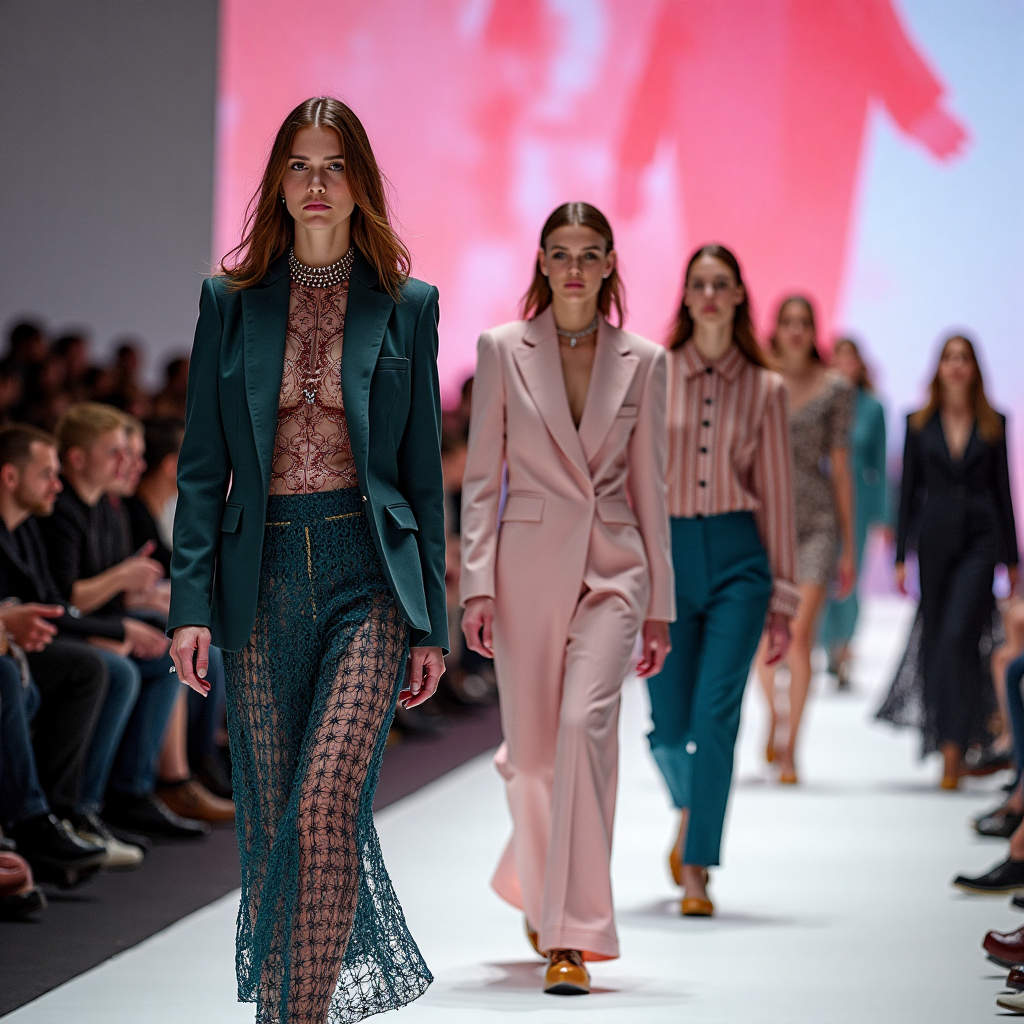
The city’s legendary houses presented powerful statements about their enduring legacies while simultaneously pushing forward. One iconic show paid homage to the founder’s archives, reinterpreting signature silhouettes with contemporary fabrics and proportions – think classic tweed suits reimagined in technical fabrics or updated with asymmetrical cuts. It was a masterful balance of heritage and modernity. Another highlight was the exploration of romance and drama, with collections featuring extravagant volumes, intricate lace, sheer overlays, and rich velvets. Evening wear was particularly strong, ranging from sleek, minimalist column gowns to extravagant, multi-layered confections that commanded attention. Paris also showcased a continued commitment to pushing the boundaries of gender fluidity in fashion, with several designers presenting collections that seamlessly blended traditionally masculine and feminine codes.
Emerging Trends: What the Runways Dictate
Beyond the individual shows, Fashion Week serves as a crystal ball for the trends that will dominate the coming seasons. This season’s runways spoke volumes about the collective mood and aesthetic direction.
The Return of Maximalism (But Make it Intentional)
Minimalism took a backseat this season as designers embraced a more-is-more philosophy. However, this wasn’t a return to chaotic clutter. Instead, we saw intentional maximalism – carefully curated explosions of color, print, and texture. Think:
- Layering Mastery: Deliberate stacking of contrasting fabrics and silhouettes (e.g., a sheer slip dress over tailored trousers, a chunky knit under a structured blazer).
- Clashing Prints: Stripes paired with florals, checks mixed with abstract patterns – executed with confidence and a keen eye for balance.
- Texture Play: Combining disparate materials like sleek patent leather with fuzzy shearling, smooth silk with nubby bouclé.
This trend reflects a desire for self-expression and joy, moving away from restraint towards a celebration of individuality and sartorial confidence.
Quiet Luxury Evolves
The “quiet luxury” aesthetic, characterized by impeccable tailoring, rich neutral palettes, and understated elegance, continued its reign but evolved. It became less about austerity and more about warmth and tactility.
- Focus on Fabric: An emphasis on luxurious, natural materials you want to touch – cashmere, merino wool, buttery leathers, sumptuous silk.
- Softened Silhouettes: While tailoring remained strong, it was often softened with rounded shoulders, slightly relaxed fits, and fluid lines.
- Rich Neutrals: Beyond beige, embracing deeper, warmer tones like chocolate brown, olive green, terracotta, and deep navy.
This evolution speaks to a desire for enduring quality and comfort without sacrificing sophistication.
Redefining Evening Wear
Formal dressing underwent a significant shift. The red-carpet gown is no longer the sole definition of evening wear. Designers presented a broader, more inclusive vision:
- Day-to-Night Versatility: Elegant separates that can transition seamlessly – think beautifully tailored trousers paired with a sparkling top, or a sophisticated jumpsuit.
- Emphasis on Craft: Garments showcasing intricate beadwork, embroidery, lacework, or unique fabric manipulations became focal points.
- Modern Silhouettes: Asymmetrical cuts, sleek column gowns, minimalist slip dresses, and even elevated takes on tailoring offered alternatives to the traditional ballgown.
This trend reflects changing lifestyles and a move towards personal expression over rigid dress codes.
Sustainability: From Buzzword to Bedrock
Sustainability moved beyond tokenism to become an integrated part of the design process for many brands, both established and emerging. Highlights included:
- Innovative Materials: Increased use of recycled fibers (polyester, nylon), plant-based alternatives (like mushroom leather), and organic cottons/linens.
- Circularity Focus: Brands showcasing upcycled garments, offering repair services, and designing for disassembly.
- Transparency Efforts: More communication about supply chains, production processes, and environmental impact.
While challenges remain, the commitment visible on the runways signals a crucial shift towards greater responsibility within the industry.
Cultural Moments and Industry Shifts
Fashion Week is never just about the clothes; it’s a reflection of the times and a platform for broader conversations.
Diversity and Inclusion: Progress and Continued Scrutiny
There were visible strides in casting diversity across many runways, with greater representation of different ethnicities, body types, ages, and gender identities. This normalization is a positive step. However, the conversation also rightly focused on meaningful inclusion behind the scenes – in design teams, executive roles, and boardrooms. The industry continues to be challenged to move beyond performative diversity towards systemic change.
The Blurring of Gender Lines
Gender-fluid fashion solidified its place not as a trend, but as a movement. Designers increasingly presented collections that defied traditional binary classifications. We saw:
- Shared silhouettes (wide-leg trousers, oversized blazers, slip dresses) styled on models of all genders.
- Masculine tailoring softened with delicate details, and feminine fabrics cut into structured shapes.
- A focus on individual expression over prescribed gender norms.
This shift towards a more inclusive and expressive understanding of fashion identity is one of the most significant cultural takeaways.
The Evolving Role of the Front Row
The celebrity-studded front row remains a fixture, but its composition and influence are evolving. Alongside A-list actors and musicians, we saw a significant presence of:
- Digital Creators: Influencers and content creators with massive online followings, whose impact on brand visibility and sales is undeniable.
- Industry Insiders & Stylists: Recognizing the crucial role stylists play in bringing runway looks to a wider audience.
- Art World Figures & Activists: Reflecting fashion’s increasing intersections with broader cultural and social spheres.
This diversification signifies the multiple channels through which fashion now communicates and gains relevance.
Conclusion: The Enduring Allure of Fashion Week
The recent Fashion Weeks offered a compelling snapshot of an industry in flux – one grappling with its environmental impact, embracing inclusivity, and constantly redefining luxury and beauty. While the extravagant spectacles and celebrity sightings capture headlines, the true value lies in the confluence of art, commerce, and culture. We witnessed the triumphant return of bold self-expression through maximalism, the maturing of sustainable practices, the exciting evolution of gender-fluid design, and the quiet power of exceptional craftsmanship. These events are more than just trade shows; they are powerful storytelling platforms that reflect our times and shape our future aesthetics. The trends set here will ripple out, influencing not only what we wear but how we perceive style, identity, and the very role of fashion in the modern world. The conversation continues, and the next season is already eagerly anticipated.