
The Ultimate Guide to Bird Cage Setup: Creating a Safe and Comfortable Habitat
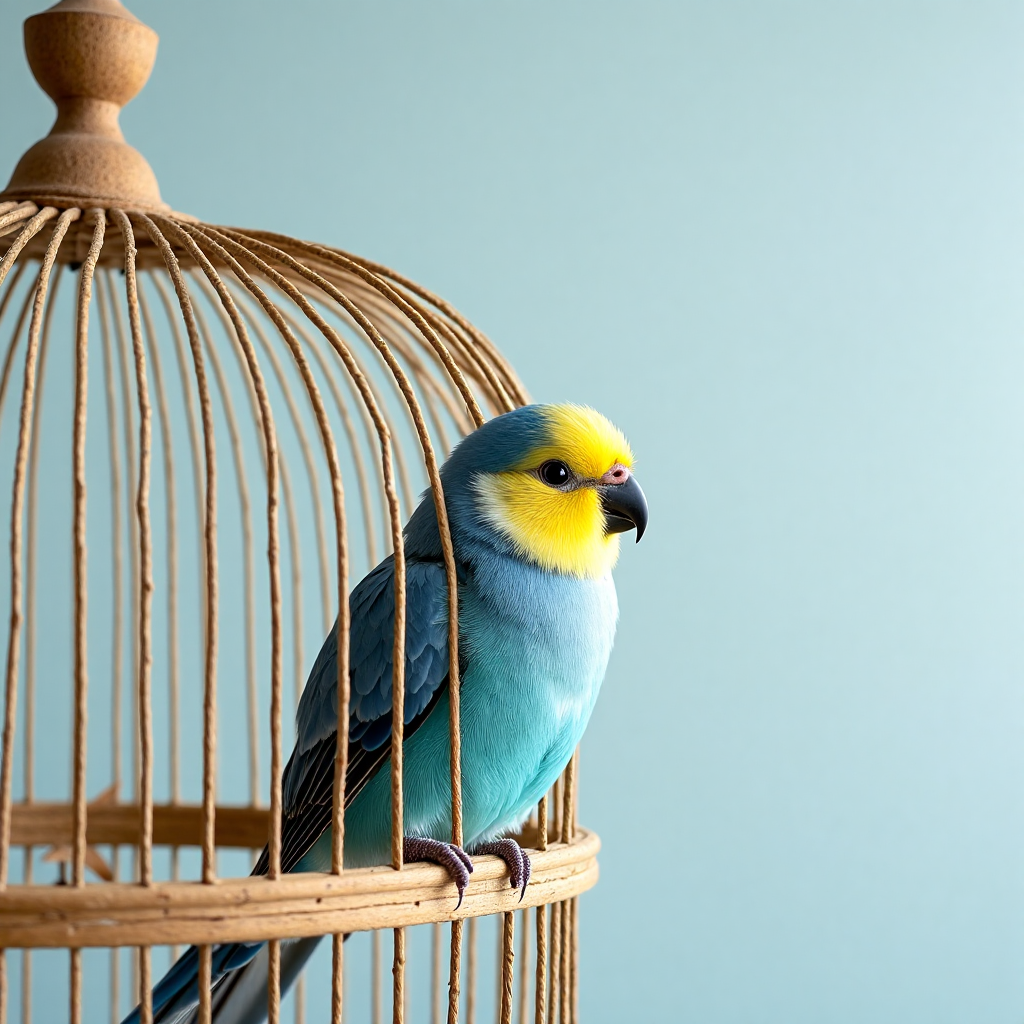
Welcome to our comprehensive guide on setting up the perfect bird cage for your feathered friend. Whether you’re a new bird owner or looking to improve your current setup, this article will walk you through everything you need to know to create a safe, comfortable, and stimulating environment for your bird. From choosing the right size and materials to adding essential accessories and maintaining cleanliness, we’ve got you covered. Let’s dive in!
Choosing the Right Bird Cage
When it comes to bird cage setup, the first and most important decision is selecting the right cage for your bird. The size, material, and design of the cage will greatly impact your bird’s quality of life. A cage that’s too small can lead to stress and health issues, while a cage that’s too large might be overwhelming or difficult to maintain. So, how do you choose the perfect cage?
Size Matters
Your bird’s cage should be spacious enough to allow them to move freely, spread their wings, and engage in natural behaviors like flying and climbing. For example, a parrot needs a cage that’s at least twice the length of its wingspan. Smaller birds, like finches or canaries, require less space but still need enough room to fly and play. Measure your bird’s wingspan and consider their activity level when selecting the size of the cage. Always prioritize a larger cage over a smaller one if possible, as it will provide more comfort and enrichment opportunities.
- Parrots: Minimum cage size of 24 inches wide, 24 inches deep, and 36 inches tall
- Canaries: Minimum cage size of 12 inches wide, 12 inches deep, and 18 inches tall
- Finches: Minimum cage size of 18 inches wide, 18 inches deep, and 24 inches tall
- Conures: Minimum cage size of 24 inches wide, 24 inches deep, and 36 inches tall
Remember, the cage should also have adequate height to accommodate tall birds or those that enjoy climbing. A taller cage is generally better than a wider one for many bird species, as it allows for more vertical movement.
Material and Construction
The material of the cage is equally important. Stainless steel, wrought iron, and powder-coated metal are durable and easy to clean, making them ideal choices. Avoid cages made of zinc or lead, as these metals can be toxic to birds. Wooden cages may seem appealing, but they’re difficult to sanitize and can harbor bacteria, which isn’t safe for your bird’s health. Plastic cages are lightweight and affordable but aren’t as durable and may not provide enough stimulation for your bird.
When evaluating the construction of a cage, look for secure latches, sturdy bars, and a stable base. The bars should be spaced appropriately for your bird’s size to prevent them from getting stuck or escaping. For example, small birds like budgies need bars spaced about 1/2 inch apart, while larger birds like macaws require spacing of 1 inch or more. Additionally, ensure the cage has a removable tray at the bottom for easy cleaning and waste management.
Design and Aesthetics
While functionality is key, the design of the cage should also reflect your personal style and fit well within your home decor. Many cages come in a variety of colors and styles, so choose one that complements your space. However, avoid cages with sharp edges or decorative elements that could pose a hazard to your bird. Opt for a cage that’s both safe and visually appealing, as it will enhance your bird’s living environment and your enjoyment of their presence.
Consider the placement of the cage in your home. Birds thrive in environments with plenty of natural light, so place the cage near a window but away from direct sunlight or drafts. Ensure the cage is in a quiet area where your bird can feel secure but still be part of the household activity. A well-placed cage not only benefits your bird but also makes it easier for you to monitor their behavior and interact with them daily.
Essential Accessories for Your Bird Cage
Once you’ve selected the right cage, it’s time to add the essential accessories that will turn it into a comfortable and enriching home for your bird. These items not only provide practical benefits but also contribute to your bird’s mental and physical well-being.
Perches and Stands
Perches are a must-have in any bird cage setup. They provide your bird with a place to rest, exercise, and mimic natural behaviors like climbing and balancing. Choose perches of varying diameters and materials to keep your bird’s feet healthy and prevent pressure sores. Common perch materials include:
- Wood: Natural and easy to clean, wood perches are a popular choice. They also help wear down your bird’s nails, keeping them trimmed naturally.
- Cork: Cork perches are soft and gentle on your bird’s feet, making them ideal for birds with foot issues or arthritis.
- Concrete: These perches are harder and can help keep your bird’s nails trimmed, but they can be uncomfortable for long-term use.
- Plastic: Easy to clean and durable, plastic perches are a good option but lack the natural texture that birds might prefer.
Place perches at different heights and angles within the cage to encourage movement and exploration. Avoid placing them directly above food dishes to prevent contamination from droppings.
Toys and Enrichment
Birds are intelligent creatures that require mental stimulation to stay happy and healthy. Toys are an essential part of any bird cage setup, as they provide entertainment, reduce boredom, and promote physical exercise. Consider the following types of toys for your bird:
- Chew toys: Birds like parrots and conures love to chew, so provide them with safe, durable toys made of natural materials like untreated wood or sisal.
- Swing toys: Swings are great for birds that enjoy movement and balance. They’re also a fun way for your bird to exercise and play.
- Interactive toys: Puzzle toys or foraging toys can challenge your bird’s mind and keep them engaged. These are particularly beneficial for larger birds with high intelligence.
- Visual toys: Mirrors, bells, and colorful hanging toys can provide visual stimulation and entertainment for your bird.
Rotate toys regularly to keep your bird interested and prevent them from becoming bored. Introduce new toys gradually to allow your bird to adjust and explore them safely. A well-stocked cage with a variety of toys will help your bird lead a fulfilling and active life.
Food and Water Dishes
Your bird’s diet is crucial to their health, and proper food and water dishes are essential for a comfortable cage setup. Use heavy, non-tippable dishes that are easy to clean and replace when necessary. Stainless steel or ceramic dishes are ideal, as they’re durable and don’t harbor bacteria like plastic dishes can.
Place food and water dishes in a location that’s easily accessible for your bird but away from perches to prevent contamination. Clean dishes daily to ensure your bird always has access to fresh food and water. Consider using a water bottle instead of a bowl to prevent spills and keep the water clean for longer periods.
Maintaining a Clean and Healthy Environment
A clean cage is essential for your bird’s health and well-being. Regular cleaning and maintenance are key components of a proper bird cage setup. Here’s how to keep your bird’s cage clean and hygienic:
Cleaning Schedule
Establish a cleaning routine to keep your bird’s cage in top condition. Clean the cage at least once a week, removing all toys, perches, and dishes before scrubbing the interior with a mild soap solution. Rinse thoroughly and allow the cage to dry completely before reassembling it. Replace the cage liner daily to prevent the buildup of waste and bacteria. For dishes and toys, clean them every few days or as needed, depending on your bird’s usage.
Safe Cleaning Products
Use safe, non-toxic cleaning products to maintain your bird’s cage. Avoid harsh chemicals like bleach or ammonia, as they can release fumes that are harmful to your bird. Instead, opt for mild soap and water or a bird-safe cleaner designed specifically for avian habitats. Ensure the cage is completely dry before placing your bird back inside, as moisture can lead to the growth of mold and bacteria.
Sanitation Tips
Keeping your bird’s cage clean isn’t just about removing waste; it’s also about preventing the spread of disease. Here are some tips to help you maintain a sanitary environment:
- Use a cage liner that’s easy to replace, such as newspaper or paper towels, to catch waste and make cleaning easier.
- Remove uneaten food and soiled dishes daily to prevent the growth of mold and bacteria.
- Disinfect the cage and accessories periodically using a bird-safe cleaner to kill germs and keep the environment hygienic.
- Ensure proper ventilation in the cage to prevent the buildup of ammonia from waste, which can irritate your bird’s respiratory system.
By following a consistent cleaning schedule and using safe products, you can ensure that your bird’s cage remains a clean and healthy environment for them to live in.
Creating a Stimulating and Safe Habitat
In addition to the physical setup of the cage, it’s important to create a stimulating and safe habitat for your bird. Birds are naturally curious and active creatures, so providing them with an environment that encourages exploration and play is essential for their mental and physical health.
Enrichment Opportunities
Enrichment is key to keeping your bird happy and healthy. In addition to toys, consider adding natural elements like branches, leaves, or even a small bird-safe plant to the cage. These elements can provide your bird with a sense of security and mimic their natural habitat. You can also introduce new foods or treats in creative ways, such as hiding them in puzzle toys or hanging them from the cage ceiling to encourage foraging behavior.
Visual Stimulation
Birds are highly visual creatures, so providing them with visual stimulation is important for their well-being. Place the cage in a area where your bird can observe the outside world, such as near a window, but ensure they’re protected from direct sunlight and drafts. You can also add mirrors or colorful decorations to the cage to keep your bird entertained and engaged. Just be sure to avoid any decorations that could pose a hazard, such as small parts that could be swallowed or materials that could cause injury.
Safe Environment
Finally, ensure that your bird’s cage is a safe environment. Check the cage regularly for any signs of wear or damage, such as loose bars or broken latches. Secure the cage in a stable location to prevent it from tipping over or being knocked into by other pets or children. Avoid placing the cage near appliances that emit heat or noise, such as radiators or televisions, as these can create an uncomfortable environment for your bird.
By creating a stimulating and safe habitat, you can ensure that your bird remains healthy, happy, and well-adjusted in their cage setup.
Considerations for Different Types of Birds
Every bird species has unique needs when it comes to cage setup. Whether you’re caring for a small finch or a large macaw, it’s important to tailor your cage setup to meet the specific requirements of your bird. Here are some considerations for different types of birds:
Small Birds
Small birds like finches, canaries, and budgies require a cage setup that’s spacious enough for them to fly and play but not so large that it becomes overwhelming. Use a cage with a wire spacing of 1/2 inch or less to prevent your bird from escaping. Provide a variety of perches, toys, and nesting materials to keep them entertained and comfortable. Small birds also appreciate a cage with a naturalistic design, such as one that includes plants or branches, to mimic their natural habitat.
Large Birds
Large birds like parrots, macaws, and conures require a much larger cage setup to accommodate their size and activity level. The cage should be tall enough to allow them to stand upright and spread their wings fully. Use a cage with a wire spacing of 1 inch or more to prevent your bird from getting stuck or injured. Provide plenty of toys, perches, and climbing structures to keep them active and engaged. Large birds also benefit from a cage that’s placed in a central location in your home, allowing them to interact with the family and feel like part of the household.
Special Needs Birds
Some birds may have special needs that require a unique cage setup. For example, birds with feather plucking or other behavioral issues may benefit from a cage that’s more enclosed or has a quiet area where they can retreat. Birds with health issues, such as respiratory problems, may require a cage that’s placed in a well-ventilated area to avoid ammonia buildup. Always consult with a avian veterinarian or experienced bird owner to determine the best cage setup for your bird’s specific needs.
Frequently Asked Questions
Here are some common questions about bird cage setup, along with answers to help you make informed decisions:
Q: How often should I clean my bird’s cage?
A: Clean the cage at least once a week, removing all toys, perches, and dishes before scrubbing the interior with a mild soap solution. Rinse thoroughly and allow the cage to dry completely before reassembling it. Replace the cage liner daily to prevent the buildup of waste and bacteria.
Q: What materials are safe for bird cage accessories?
A: Safe materials for bird cage accessories include stainless steel, wrought iron, ceramic, and untreated wood. Avoid plastic, as it can harbor bacteria, and ensure that any toys or perches are made from bird-safe materials.
Q: Can I place multiple birds in the same cage?
A: Yes, but only if the birds are compatible and the cage is spacious enough to accommodate them. Provide plenty of perches, toys, and nesting areas to prevent competition and stress. Be prepared to monitor their behavior closely and separate them if necessary.
Conclusion
Setting up a bird cage is a crucial step in providing a safe and comfortable home for your feathered friend. By choosing the right size, material, and design, and adding essential accessories and enrichment opportunities, you can create a habitat that meets your bird’s physical and mental needs. Remember to maintain a clean and healthy environment by establishing a regular cleaning schedule and using safe products. Tailor your cage setup to the specific requirements of your bird’s species, and don’t hesitate to consult with experts if you have questions or concerns. With the right bird cage setup, your bird can thrive and lead a happy, healthy life in their new home.