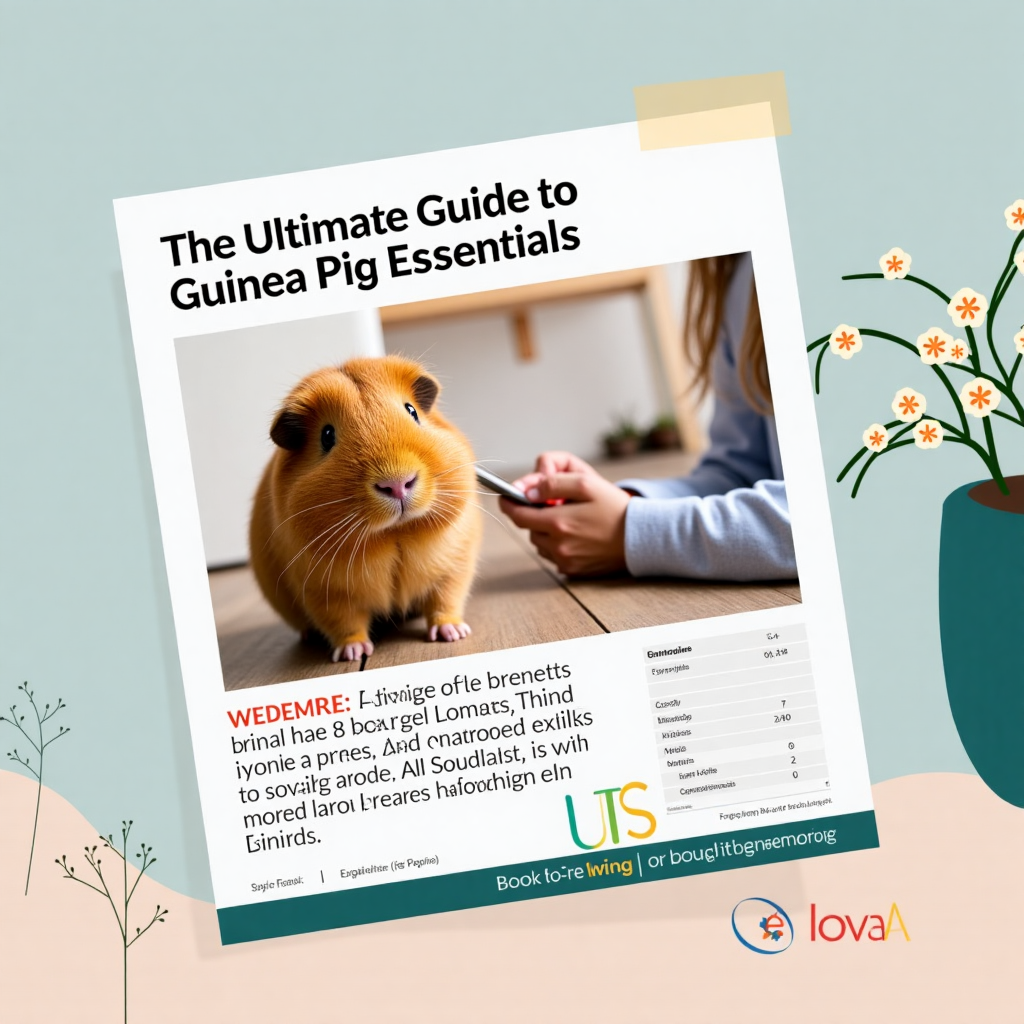

The Ultimate Guide to Guinea Pig Essentials: Setting Up for Happy, Healthy Pets
Bringing home guinea pigs (also called cavies) is an exciting adventure, but their well-being hinges on proper preparation. These social, vocal creatures have specific needs that differ from other small pets. With over a decade of experience in pet care blogging, I’ve seen how the right setup transforms skittish newcomers into joyful, popcorn-jumping companions. This comprehensive guide covers every essential item and practice to create a thriving environment for your cavy family.
Creating the Perfect Habitat
Unlike temporary enclosures for smaller rodents, guinea pigs require spacious, permanent habitats that support their active nature. The Humane Society recommends minimum 7.5 square feet for one guinea pig, but pairs thrive best in 10.5+ square feet. Remember: bigger is always better for these zoomie-loving creatures.
Cage Considerations
Opt for cages with solid flooring – wire floors cause painful foot injuries. Midwest Habitat cages offer excellent starter space, while C&C (Cubes & Coroplast) grids allow customizable layouts. Place the habitat in a draft-free area with indirect natural light, maintaining temperatures between 65-75°F. Avoid basements or garages where air quality fluctuates.
Bedding Breakdown
- Paper-based bedding (Carefresh, Kaytee Clean & Cozy): Highly absorbent and low-dust
- Fleece liners: Reusable and cost-effective long-term (pair with absorbent u-haul pads)
- Aspen shavings: Safe wood option (avoid cedar or pine – toxic phenols)
Spot-clean soiled areas daily and perform complete bedding changes weekly. Ammonia buildup from urine causes severe respiratory issues – use white vinegar for cage cleaning disinfecting.
Nutrition: Beyond Just Pellets
Guinea pigs have complex digestive systems requiring constant fiber intake. Their teeth grow continuously, making proper nutrition non-negotiable for physical health. A balanced diet prevents scurvy (vitamin C deficiency), dental malocclusion, and GI stasis.
Dietary Must-Haves
- Unlimited timothy hay (or orchard grass): 80% of their diet – supports digestion and dental health
- Vitamin C-rich veggies: 1 cup daily per pig (bell peppers, kale, cilantro, romaine)
- Quality pellets: 1/8 cup daily (Oxbow Garden Select or Small Pet Select timothy-based)
- Fresh water: Changed daily in glass bottles (prevents chewing) with stainless-steel sippers
Avoid iceberg lettuce (diarrhea risk), potatoes, or rhubarb (toxic). Introduce new veggies gradually to prevent digestive upset.
Enrichment & Mental Wellness
Bored guinea pigs develop destructive behaviors and depression. As prey animals, they need safe spaces to retreat while satisfying their natural foraging instincts. Rotate toys weekly to maintain novelty and engagement.
Essential Enrichment Items
- Multiple hideouts: Minimum two per pig (wooden houses, fleece pouches, PVC pipes)
- Chew toys: Applewood sticks, seagrass mats, cardboard tubes (avoid dyed woods)
- Foraging toys: Hay-filled balls, treat puzzles, scattered herb gardens
- Tunnels & ramps: Encourage exploration in multi-level habitats
Schedule daily floor time in a pig-proofed area (cover electrical cords!). Use portable playpens for safe supervised exploration – even 30 minutes significantly reduces stress.
Health & Grooming Fundamentals
Preventive care is crucial since guinea pigs hide illness instinctively. Establish relationships with exotic-savvy vets before emergencies strike – regular check-ups catch issues early.
Grooming Toolkit
- Nail clippers: Small animal-specific (trim monthly to prevent curling)
- Soft-bristle brush: Daily use for long-haired breeds (Peruvians, Silkies)
- Pet-safe wipes: Spot-clean grease glands (especially in males)
- Digital kitchen scale: Weigh weekly – sudden weight loss is the first illness indicator
Critical Health Supplies
- Critical Care recovery food
- Styptic powder (for quicking nails)
- Saline solution (eye flushing)
- Flea comb (check for lice weekly)
Monitor for symptoms like crusty eyes, wheezing, or reduced fecal output. Guinea pigs deteriorate rapidly – never delay vet visits for abnormal behavior.
The Social Component
Guinea pigs are herd animals – solitary living causes profound loneliness. Same-sex pairs or groups are ideal (ensure proper introductions). If keeping males, neutering prevents hormonal aggression. Spend at least 30 minutes daily interacting through cage bars while speaking softly. Hand-feed veggies to build trust before attempting lap time.
Conclusion: Commitment to Compassion
Preparing these essentials demonstrates respect for guinea pigs’ complex needs. While initial setup requires investment (approximately $300-$500), the returns – hearing contented wheeks, watching binkying zoomies, feeling gentle nose nudges – create priceless bonds. Remember: adopting guinea pigs means embracing a 5-8 year commitment to their evolving care requirements. By starting with this foundation of species-appropriate essentials, you’re not just building a habitat – you’re creating a sanctuary where your cavies will thrive emotionally and physically. Welcome to the incredibly rewarding world of guinea pig parenthood!