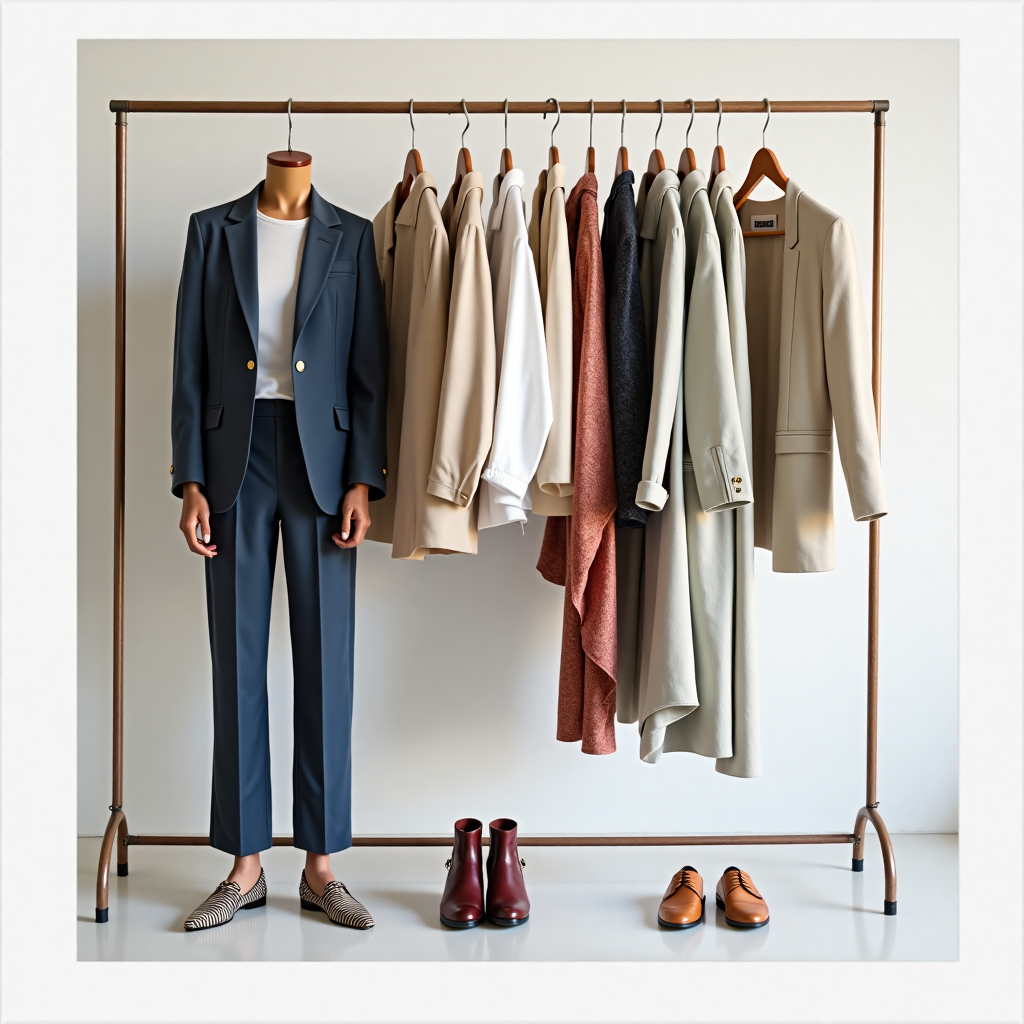

Beyond the Hanger: The Liberating Power of a Minimalist Wardrobe
For many of us, opening our closet door is less about possibility and more about facing a chaotic, overstuffed beast. We have shelves of unworn impulse buys, a graveyard of aspirational sizing, and a legion of pieces that don’t play well together, leaving us perpetually muttering, “I have nothing to wear.” Enter the minimalist wardrobe—a concept far more profound and liberating than simply owning fewer clothes. It’s a mindful approach to personal style that prioritizes intentionality, quality, and utility over mindless consumption. It’s not about strict rules, deprivation, or a uniform of drab colors. Rather, it’s about curating a collection of clothing you genuinely love and wear, freeing up mental space, time, and resources for the things that truly matter. After a decade of exploring lifestyle trends, I can confidently say that building a minimalist wardrobe is one of the most impactful personal projects you can undertake.
What is a Minimalist Wardrobe, Really?
The term “minimalist wardrobe” is often used interchangeably with “capsule wardrobe,” though purists might draw subtle distinctions. At its core, it’s a thoughtfully curated collection of versatile, high-quality, and loved clothing items that can be mixed and matched to create a multitude of outfits for various occasions. It rejects fast fashion’s churn and embraces the philosophy of “less, but better.”
Contrary to popular myth, a minimalist wardrobe isn’t defined by a specific number of items. For one person, 30 pieces might feel freeing; for another, 50 might be the sweet spot. The magic number is the number of pieces you actually wear and adore. It’s also not about a rigid color palette of black, white, and beige. While a neutral foundation is incredibly practical for maximizing combinations, a minimalist wardrobe can absolutely include your favorite colors and prints. The key is that each piece, whether a bold floral dress or a classic white tee, earns its place through frequent use and genuine joy.
The Core Principles of a Minimalist Mindset
- Intentionality: Every purchase is deliberate, not impulsive. You buy to fill a specific need in your wardrobe, not to fill an emotional void.
- Versatility: Items are chosen for their ability to pair with multiple other pieces, creating numerous outfits from a limited selection.
- Quality Over Quantity: Investment is made in better materials and construction (within your budget), leading to items that last longer, look better, and feel more comfortable.
- Personal Style Clarity: It forces you to define what you actually like to wear, moving away from trends and toward a timeless, authentic aesthetic.
- Ease and Efficiency: Getting dressed becomes a quick, stress-free process because everything fits, everything matches, and everything makes you feel good.
The Practical Journey: How to Build Your Minimalist Wardrobe
Transitioning to a minimalist wardrobe is a process, not an overnight purge. It requires honest reflection and patience. Rushing can lead to regret and unnecessary repurchasing. Here is a step-by-step guide to building your curated collection sustainably.
Phase 1: The Great Closet Audit
Start by taking everything out of your closet, drawers, and storage boxes. Yes, everything. Lay it all out where you can see it. This physical act is powerful. As you handle each item, sort them into four piles:
- Love & Wear: These are your champions—items that fit perfectly, make you feel confident, and are in regular rotation.
- Repair/Tailor: Items you love but need a button sewn, a hem fixed, or a minor alteration. Commit to fixing them within a month or let them go.
- Maybe/Seasonal: This is the danger zone. Be ruthless. If you haven’t worn it in the past year (excluding true seasonal items like heavy winter coats), it likely doesn’t belong.
- Donate/Sell/Recycle: Items that are damaged beyond repair, don’t fit, or simply don’t spark joy. Thank them for their service and let them go responsibly.
This process isn’t just about decluttering; it’s a data-gathering mission. You’ll clearly see your color preferences, the silhouettes you gravitate toward, and the fabrics you enjoy most.
Phase 2: Define Your Lifestyle and Style
Ask yourself: What does my actual week look like? What percentage is spent at work, at home, exercising, or at social events? Your wardrobe should reflect your real life, not a fantasy version. A graphic designer who works from home will have a different core wardrobe than a corporate lawyer. Next, create a simple style inspiration board (Pinterest is perfect for this). Look for common themes—are you drawn to clean lines, soft draping, classic prep, or urban edge? This board becomes your visual guide, preventing future drift back into trend-driven purchases.
Phase 3: Identify Core Pieces and Build a Capsule
Begin with the “Love & Wear” pile. These are the foundation of your minimalist wardrobe. From here, identify the gaps. A classic minimalist capsule often revolves around a “uniform” concept and includes:
- Foundation Tops: 2-3 high-quality t-shirts, 2-3 blouses or shirts, 1-2 fine knit sweaters.
- Essential Bottoms: 1-2 pairs of well-fitting jeans (one dark wash), 1-2 pairs of trousers, 1-2 skirts.
- Layer Heroes: A tailored blazer, a cardigan, and a versatile jacket (denim, trench, or leather).
- All-Day Dresses: 1-2 dresses that can transition from day to night.
- Footwear Foundation: A neutral flat, a comfortable sneaker, and a versatile boot or heel.
Remember, this is a template, not a prescription. Your capsule should be uniquely yours.
The Profound Benefits: More Than Just a Tidy Closet
The rewards of a minimalist wardrobe extend far beyond your clothing rack. The impact ripples into nearly every area of your life, offering tangible and psychological benefits that are truly transformative.
Mental Clarity and Reduced Decision Fatigue
Every morning, we make hundreds of decisions. By pre-deciding your wardrobe, you eliminate a significant source of daily stress. With a minimalist closet, every item is a “yes.” This reduction in choice conserves mental energy for more important decisions in your work and personal life. You simply open the door, grab any combination, and know you’ll look and feel put-together.
Financial Wisdom and Environmental Consciousness
When you shift from buying ten cheap tops to investing in two excellent ones, your relationship with money and consumption changes. You spend less over time because you’re not constantly replacing poor-quality items. You become more mindful of the true cost of fashion—both to your wallet and the planet. By supporting ethical brands with sustainable practices (when possible) and buying less overall, you significantly reduce your personal textile waste and carbon footprint. It’s a powerful form of conscious consumerism.
Rediscovering Personal Style and Confidence
Paradoxically, having fewer options leads to more creativity and a stronger sense of personal style. When you’re not distracted by fleeting trends and clutter, you can focus on what truly resonates with you. You develop a signature look that feels authentic. Getting dressed becomes an act of self-expression rather than a chore, which naturally boosts confidence. You’re no longer wearing the clothes; your clothes are expressing you.
Living the Philosophy: Maintenance and Mindset
A minimalist wardrobe is a living system, not a static collection. It requires gentle maintenance. Adopt a “one in, one out” rule to prevent re-cluttering. Before any purchase, implement a 24-hour waiting period and ask: Does this fit my lifestyle? Can I create at least three different outfits with it? Is it made of quality material? Practice mindful care—learn to mend small holes, wash items properly, and store them well to extend their life. Remember, minimalism is a tool for freedom, not a source of rigid guilt. It’s perfectly okay for your wardrobe to evolve with your life.
Ultimately, building a minimalist wardrobe is a deeply personal journey of curation. It’s about letting go of the “what if” and embracing the “what is.” It’s about trading the exhausting pursuit of more for the profound satisfaction of enough. It starts with a single step: looking honestly into your closet. From there, you’ll unlock a space not just for your clothes, but for your mind to breathe, your values to align, and your true style to shine. The result isn’t just a collection of garments; it’s a daily practice of intention and a reclaimed sense of ease that you carry with you, well beyond the closet door.