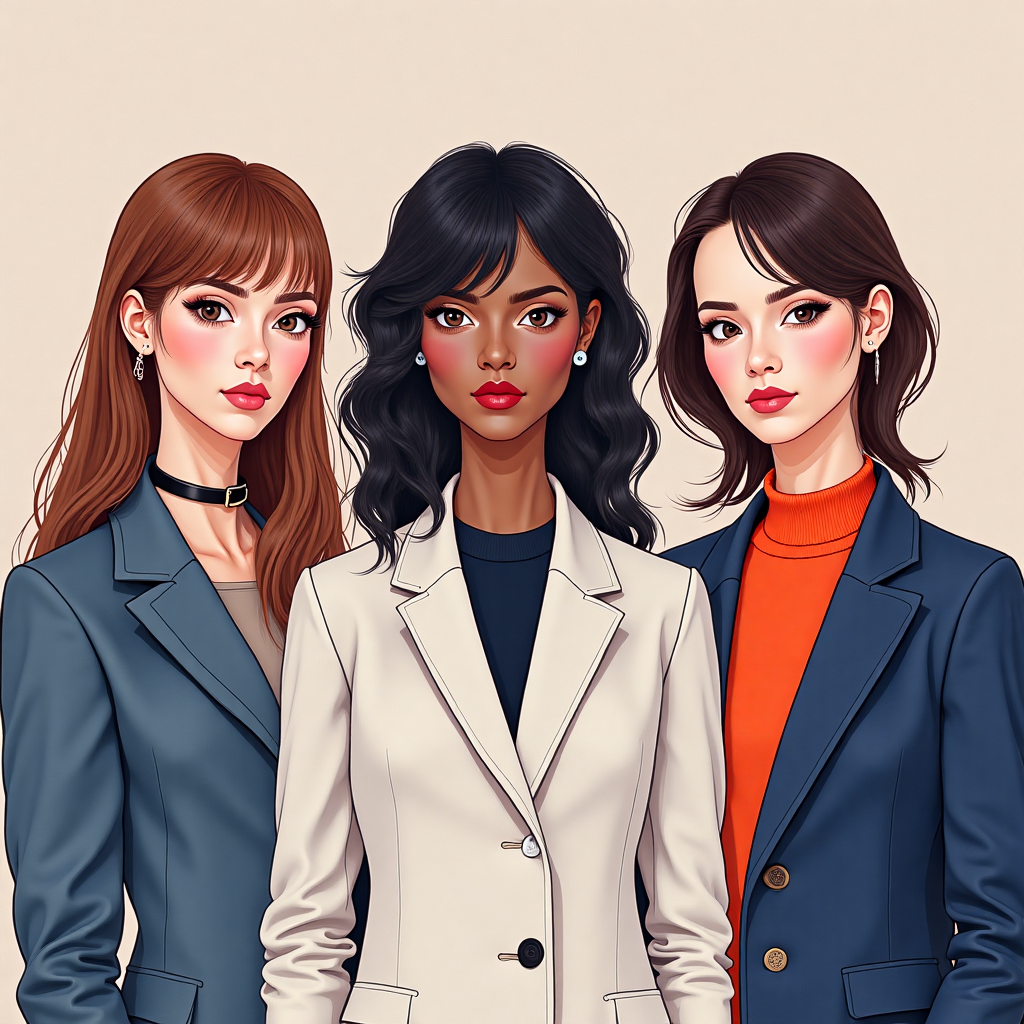

Fashion Forward: Decoding the Key Trends Shaping 2026
As the fashion calendar relentlessly turns its pages, looking ahead to 2026 feels less like speculation and more like observing a powerful current already in motion. The trends forecast for this year are not born in a vacuum; they are the direct, evolved responses to the social, technological, and environmental dialogues of our time. Gone are the days of fleeting, disposable trends dictated from a single runway. The fashion of 2026 is a complex, conscious, and highly personalized ecosystem. It’s a landscape where emotional connection, technological symbiosis, and planetary responsibility are woven into the very fabric of what we wear. This article dives deep into the defining movements set to dominate closets and consciousness, revealing a future of style that is as thoughtful as it is transformative.
I. The Rise of Intelligent Materiality: Wearable Tech Evolves
The conversation around fashion technology is moving decisively away from clunky gadgets and towards seamless integration. In 2026, the “smart” in smart clothing won’t be something you see; it will be something you feel and experience. The focus shifts to intelligent materiality—fabrics and finishes that are inherently functional, responsive, and communicative.
Beyond the Screen: Bio-Sensing and Reactive Textiles
Imagine a jacket that subtly changes its breathability based on your body temperature and heart rate, or a dress whose weave tightens in response to environmental pollutants to offer a protective barrier. This is the promise of bio-sensing and reactive textiles. Advances in nanotechnology and material science will allow for clothing that monitors vital signs with clinical accuracy, offers haptic feedback for navigation, or even manages chronic conditions through calibrated compression and thermal regulation. The aesthetic will be minimalist and elegant, belying the complex science within. This trend transcends gadgetry; it’s about creating a second-skin symbiosis between wearer and garment, prioritizing wellness and intuitive support.
Light as a Fabric: Programmable Luminescence
Following the trail blazed by designers in recent years, programmable luminescence will mature into a mainstream trend by 2026. We’re not talking about rave-ready fiber optics, but sophisticated, woven-in light. Micro-LEDs, smaller than a grain of sand, will be integrated into yarns, allowing for garments that can change color, display subtle patterns, or offer soft, personal illumination. This technology will empower unprecedented personalization—your coat could display a piece of digital art you own, or your sneakers could pulse gently to the beat of your music. Crucially, this light will be powered by kinetic energy or flexible, biodegradable batteries, aligning with the demand for sustainability.
II. The Neo-Romantic Revolution: A Return to Craft and Emotion
In stark yet complementary contrast to high-tech fashion, 2026 will witness a powerful resurgence of neo-romanticism. This is a direct response to digital fatigue and a yearning for tangible beauty, human touch, and emotional storytelling. This trend is characterized by an abundance of texture, historical reverence, and a celebration of the artisanal.
The Art of Distortion and Hyper-Craft
Forget pristine, mass-produced perfection. The neo-romantic aesthetic embraces beautiful imperfections, deliberate distortions, and hyper-crafted details. Think of gowns with intentionally uneven hems, sleeves that morph into sculptural forms, or knitwear that incorporates traditional techniques like smocking, crochet, and embroidery in exaggerated, modern ways. Designers will explore volume and silhouette with a poetic sensibility, creating clothes that feel like wearable architecture or moving art. The color palette leans into earth tones, dusty pastels, and deep, moody jewel tones, further enhancing the emotional, nostalgic pull.
Archival Revival and Narrative Dressing
This trend is deeply intertwined with a renewed fascination with fashion history, not as costume, but as a source of coded meaning. We’ll see specific, often overlooked, historical periods referenced—think 1930s bias-cut silhouettes reimagined in high-tech jersey, or the structured pragmatism of 1940s utility wear fused with Victorian detailing. The key is narrative dressing: garments are chosen not just for their appearance, but for the story they tell about craftsmanship, heritage, and personal values. This movement champions slow fashion, vintage, and heirloom-quality pieces meant to last for decades, not seasons.
III. The Sustainable Imperative Becomes the Standard
By 2026, sustainability is no longer a niche selling point or a buzzword—it is the non-negotiable baseline. Consumers will demand complete transparency, and brands that fail to provide it will be left behind. The focus expands from just the materials to the entire lifecycle of a garment.
Circularity by Design and Bio-Fabrication
The circular economy model moves from theory to standard practice. Designers will increasingly employ principles of circular design:
- Modularity: Clothing with interchangeable parts, zippers, or panels that can be updated or replaced.
- Disassembly: Garments designed to be easily taken apart at end-of-life, with components sorted for proper recycling or composting.
- Digital Product Passports: QR codes or NFC tags sewn into garments providing a full history of materials, origin, and care/repair instructions.
Simultaneously, bio-fabrication will hit critical mass. Lab-grown leathers, silk brewed by microbes, and dyes created from bacteria will move from experimental labs to commercial production lines, offering high-performance, cruelty-free, and low-impact alternatives to traditional textiles.
Radical Transparency and the “Right to Repair”
Brand storytelling will shift from aspirational imagery to hard data. Expect to see detailed breakdowns of carbon footprints, water usage, and fair labor certifications displayed as prominently as price tags. The “right to repair” will be a central pillar of brand ethics. Companies will offer lifetime repair services, sell DIY repair kits, and open-source patterns for their simpler designs. This fosters a deeper, longer-term relationship with the consumer, transforming a purchase from a transaction into the beginning of a custodial journey.
Conclusion: A Harmonious Duality
The fashion landscape of 2026 is defined not by a single look, but by a powerful, harmonious duality. It is a realm where the hyper-technological and the deeply artisanal coexist and even enhance one another. We will wear bio-sensing tops under neo-romantic, hand-embroidered jackets. We will cherish a modular, circular-designed bag while it displays a soft, programmable glow. This fusion reflects our modern selves: individuals who are digitally native yet crave authentic connection, who are future-focused yet deeply respectful of heritage and planet. Ultimately, the key trend for 2026 is conscious curation. Our wardrobes will become more intentional, more expressive of our personal values, and more integrated with our daily lives. Fashion is stepping into a new role—not just as adornment, but as an intelligent, emotional, and responsible companion for the complexities of the world to come.